
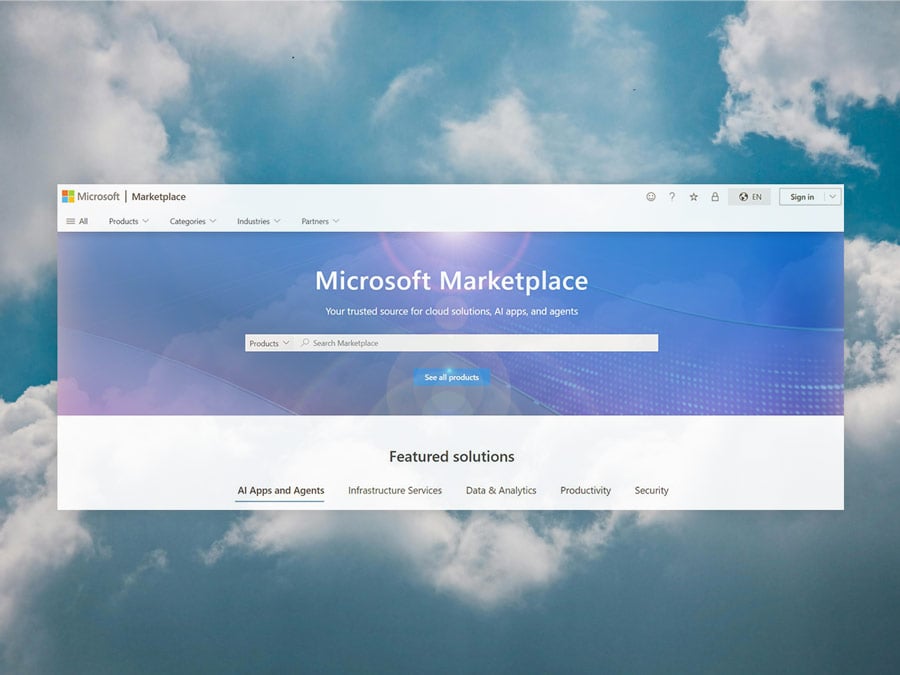
On September 25, 2025, Microsoft announced a fairly big change to its cloud marketplace strategy. Azure Marketplace and AppSource have officially merged into a single platform: "Microsoft Marketplace". The single storefront launched first in the US and is currently rolling out globally. This post covers what prompted the change, what it means for Dynamics 365 Business Central users, and how ISVs and partners with existing listings are affected.
What Led to This Change?
The split between two marketplaces had been a source of friction since AppSource launched in 2016 alongside Dynamics 365. Azure Marketplace served IT infrastructure and developer solutions, while AppSource focused on business applications for Dynamics 365, Microsoft 365, and Power Platform.
This fragmentation created confusion for the roughly six million monthly visitors navigating Microsoft's storefronts. Customers often didn't know which marketplace to visit for specific solutions. Meanwhile, competitors like AWS and Google Cloud had long offered centralized marketplaces.
It's no coincidence that Microsoft's aggressive push into AI coincided with the new digital storefront. The company needed a single destination for the over 3,000 AI apps and agents now available through the platform. The unified marketplace also aligns with Microsoft's broader "Frontier Firms" vision of blending AI-powered technology with business operations.
What This Means for Dynamics 365 Business Central Users
Business Central users likely did not even notice the change. Those that do will mostly see slight difference in how apps are discovered and where links direct them. The old AppSource URLs now redirect to marketplace.microsoft.com, though the filtering features remain essentially the same—users can still browse solutions specifically designed for Business Central.
Access from within Business Central itself has evolved in parallel with this change. Microsoft deprecated the older Extension Marketplace page in Business Central 2024 wave 2 (BC25), replacing it with the Microsoft AppSource Apps page. This in-client gallery still connects to the marketplace, allowing users to discover, filter, and install apps without leaving Business Central. The installation workflow remains largely unchanged: find the app, click "Get it now," select the environment, and install.
For Business Central cloud users, the practical experience of finding and installing apps is very familiar. The underlying infrastructure has shifted, but the pathway from Business Central to available extensions remains functionally the same. Apps continue to go through Microsoft's certification process, and the same technical and marketing validation requirements apply.

What This Means for ISVs and Partners
Partners with existing AppSource listings face several immediate and strategic considerations.
Branding Updates Required
ISVs should update partner collateral to reference "Microsoft Marketplace" rather than AppSource or Azure Marketplace. Microsoft is redirecting traffic from the old storefronts, but marketing materials and documentation should reflect the new branding.
Greater Visibility and Reach
The unified catalog consolidates tens of thousands of solutions into one searchable destination. This increases exposure for Dynamics 365 apps that previously competed only within the narrower AppSource audience. Solutions now sit alongside Azure infrastructure offerings, potentially reaching IT decision-makers who might not have browsed AppSource directly.
New Distribution Features
A "resale enabled offers" feature, expected to reach full availability later in 2025, allows ISVs to authorize channel partners to sell their solutions by geography. Partners can adjust or revoke these authorizations at any time. Major distributors including Arrow, Crayon, Ingram Micro, Pax8, and TD SYNNEX have integrated the Microsoft Marketplace catalog into their own platforms.
Azure Benefit Eligibility Continues
For customers with Microsoft Azure Consumption Commitments (MACC), eligible solutions purchased through the marketplace still count toward those commitments. This incentive structure remains a significant driver for enterprise purchasing decisions.
AI-Focused Category
The new AI Apps and Agents category provides dedicated visibility for AI-enabled solutions. Partners building Copilot agents or AI-powered extensions can leverage simplified publishing guidance and placement in this high-traffic section.
Conclusion
The merging of the two marketplaces hopes to eliminate a longstanding point of confusion in Microsoft's ecosystem. Business Central users retain access to the same extensions through familiar in-product pathways. ISVs gain broader exposure and new distribution tools but must update their go-to-market materials accordingly.
For organizations already working within the Microsoft ecosystem, this consolidation is intended to remove friction not add complexity. The single storefront approach does seem to make more sense and likely matches what customers have expected from other cloud providers for years.