
.jpg)
Accounts payable is a roller coaster… Ok, maybe it’s not quite that exciting, but those of us who work in AP everyday know how volatile it can be. We also know the dangers that a poorly managed accounts payable process can pose. With that in mind, this post will offer up some tips and best practices to create a killer accounts payable procedures policy handbook.
First we’ll run through some of the basic AP procedures, then we’ll discuss why it’s important to standardize AP procedures and how to go about creating your accounts payable policies and procedures manual.
You may also be interested in: Why Human Resources Should Ask Accounting About AP Clerks
Basic Accounts Payable Procedures
AP Procedures? It’s just paying invoices right? Kind of… but there’s more to it than that. Accounting requirements vary from one company to another, and super small companies tend to follow a hodge-podge of accounting practices that can border on the eccentric. However there are some basic AP procedures you can expect to find especially when you get into medium or large sized companies.
What are the basic accounts payable procedures for corporate accounting?
- Invoice Receipt and Review: Collect invoices from vendors and verify their accuracy, in some cases ensuring they match purchase orders and delivery receipts. This step prevents discrepancies and unauthorized payments.
- Approval Process: Submit invoices for approval according to company policy, confirming legitimacy and proper authorization. Proper approvals mitigate risks of fraud or overpayment.
- Data Entry: Record invoice details, such as vendor information, amounts, and payment terms, into the accounting system. Accurate entry ensures financial records are reliable.
- Payment Scheduling: Determine payment due dates based on invoice terms and schedule timely payments. This helps maintain good vendor relationships and avoid late fees.
- Payment Processing: Process payments through checks, electronic transfers, or other approved methods. Ensure payments are securely executed and documented.
- Reconciliation: Regularly match accounts payable records with bank statements and vendor balances. Reconciliation identifies errors or unauthorized transactions.
- Record Maintenance: Organize and store all invoice and payment records for future reference and compliance with audit and tax requirements. Proper recordkeeping ensures transparency and accountability.
What is an Accounts Payable Procedures and Policies Manual
Like any standard operating procedure document, the AP procedure and policies manual sets guidelines and requirements for your organization. It functions as the backbone for how your business manages outstanding debts to suppliers, service providers, contractors and utility providers. This manual usually contains rules and processes to follow for invoice approval, payment, reporting and record keeping.
Why Create an Accounts Payable Procedures and Policies Manual
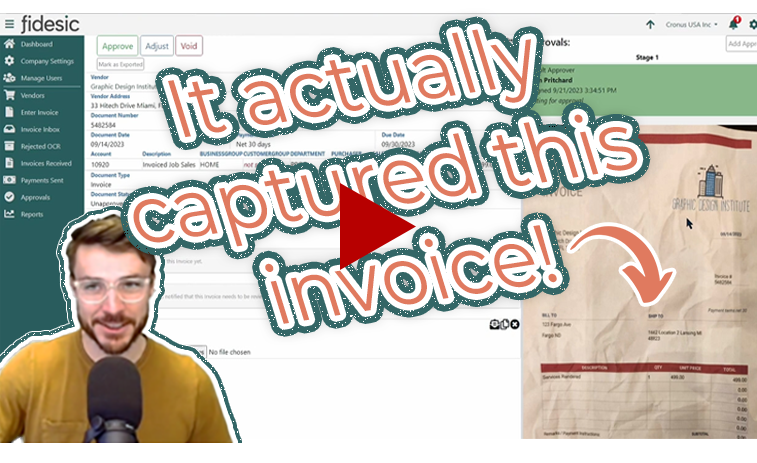
Your AP procedures manual creates a single record of truth that staff can refer to when they have questions. It takes out the guess work for those who are not familiar with your AP procedures who may be coming is a new employee, outside auditor, etc. As Mary Schaffer with AP Now explains in a recent video, you never know when you are going to have staff leave permanently or temporarily, and proper accounts payable procedures manual will help keep the gears turning in staffing turnover situations.
A good AP procedure manual also promotes data continuity and helps protect your company against fraud. It is the basic building block to ensuring sound AP accounting practices.
How to Create an AP Procedures & Policy Manual
In most cases an AP procedures manual will include the purpose policy and procedures of the AP department. It should include clearly defined responsibilities and rules regarding purchase order and invoice management. So what does that look like? Let’s get into it…
Purpose
Start with a bang! Lay down the 'why' behind the document. It’s the mission statement of your AP policy manual—a roadmap for keeping your finances on point and your processes smooth.
Policies
This is the "rules of engagement" section, detailing the sacred commandments of your accounts payable team. Here’s what might be included:
Payment Terms
Because nobody likes late fees. Outline the agreed-upon conditions for settling invoices with vendors. It typically includes details on standard payment timelines (e.g., net 30 days), early payment discounts, and any penalties for late payments. This section ensures consistency, helps manage cash flow effectively, and establishes clear expectations for both the AP team and vendors.
Available Payment Methods
From digital transfers to carrier pigeons (well, maybe not pigeons).
Check Processing
Because checks are a favorite target of fraudsters and because they are an analogue payment method usually be processed in a digital world, some care should go into setting up procedures for them.
Refunds and Credits
Master the art of giving back without losing your cool.
Invoice Verification
No rogue charges allowed. Invoices get a thorough once-over to check for errors, over charges, etc. before any cash leaves the building, ensuring that invoices have come from your approved vendor list before payments are made.
Approval Methods
Who gets the power to say “Yes”? Spell it out.
Discrepancy Resolution
When things don’t add up, here’s how to find the missing puzzle piece.
Fraud Prevention
A must-have for any AP policy—keeping the bad guys out of your books.
- Segregate Duties: Ensure no single employee controls the entire AP process (e.g., invoice approval and payment).
- Master Vendor File: A well managed master vendor file is critical to fraud prevention. Learn More About Master Vendor File Maintenance
- Verify Vendor Information: Regularly audit vendor details to avoid fake or duplicate accounts.
- Implement Invoice Verification: Cross-check invoices against purchase orders and delivery receipts before payment.
- Use Secure Payment Methods: Opt for electronic funds transfers like ACH with multi-factor authentication to reduce fraud risks.
- Conduct Regular Audits: Periodically review AP records to spot discrepancies or unauthorized transactions.
Procedures
While the list of accounts payable procedures above is a starting point of basic procedures common to most accounts payable departments, your AP procedures and policies document should outline the procedures that are specific to your organization with detailed documentation of standard procedures.
Risk Assessment Matrix (Sometimes)
This matrix can be your AP department’s secret weapon, outlining potential pitfalls and assigning who’s in charge of keeping disasters at bay. It identifies potential risks within the accounts payable process and outlines the controls in place to mitigate them. It includes a breakdown of each risk, such as fraudulent invoices or unauthorized payments, along with the associated processes, responsible parties, and frequency of reviews. This tool helps ensure accountability and strengthens safeguards to protect the organization’s financial integrity. Thomas Reuters has a guide to creating a risk control matrix here.
The Automation Part
The rise of AP automation is like trading in a typewriter for a rocket ship—it’s a game changer. Automation streamlines invoice processing, reduces errors, and turbocharges payment approvals. To harness its power, your AP policy manual should include guidelines on implementing and managing automation tools, from software selection to user training. Think of it as writing the ultimate owner's manual for your shiny new financial assistant, ensuring smooth operations and more time for the fun stuff (like strategizing, not chasing invoices).
“Automation has become much less expensive and much more user friendly,” said Mary Schaffer with AP Now in a recent video. “Today on the market there are modules for everyone and companies of all sizes. Yes I do believe that everybody needs to learn about it. Automation, we have to learn to think of it as a friend and as a tool that helps become more efficient and more effective in our jobs.”
Check out: Free Accounts Payable Automation
Conclusion
Your accounts payable policies and procedures manual is crucial. It not only sets the tone and paves the way for your AP procedures, it is a key document that aligns AP with other departments, including procurement. It may seem like a boring and arduous chore (because it kind of is), but hopefully this post will help you turn your accounts payable policies manual into more than just a dry document but a super awesome guide to a well-oiled accounting machine.